Sentinel Group Blog

George Otis Jr.
Lessons from Cali
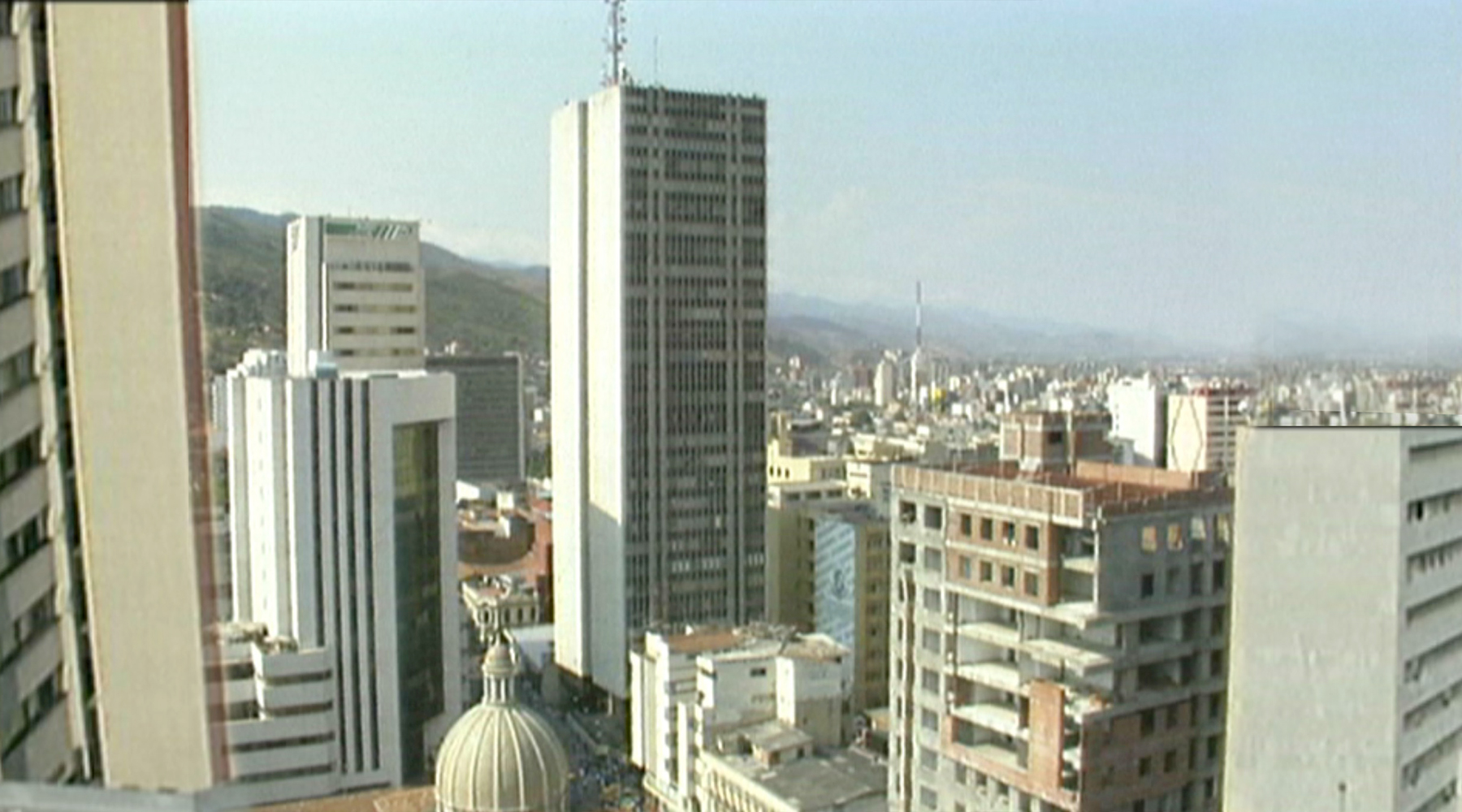
When I arrived in the city of Cali, Colombia, in the late 1990s, I’m not sure anyone could have prepared me for what I was to experience. I had heard the reports of remarkable spiritual developments impacting the infamous drug strong- hold—they were, in fact, my principal reason for being there—but the reality on the ground rapidly overwhelmed every expectation I had brought with me.
Five distinct memories from my sojourn in the city came to define not only the experience itself, but more importantly, my understanding of revival. The assumptions I had arrived with—namely that spiritual awakenings were relatively rare religious occurrences confined largely to the orbit of church gatherings—were soon replaced by something far more revolutionary.

My first encounter took place in a neighborhood café on the way in from the airport. As a local host briefed our film crew on God’s dealings in the city, I couldn’t help but overhear similar conversations taking place at tables throughout the café. When I interrupted my host to askabout this, he simply smiled and replied: “Welcome to Cali.”

Adrienna Vivas, Television News Anchor
Two days later, I was in a television broadcast studio interviewing the city’s leading
news anchor about remarkable changes sweeping the community—including the fall of the world’s most powerful drug lords. The conversation was electric and eclipsed all sense of time. When I finally did check my watch, it triggered a jolt of adrenaline. The evening newscast was set to go live in five minutes! A cool three million viewers would be waiting, but there was not a cameraman, audio engineer, or floor director in sight! Hearing a slight cough, I craned my neck around to see the entire production staff squeezed in behind us. Many wept as they were caught up in the wondrous details of God’s visitation in their city.
The next morning, I stood on the steps of a warehouse-like church that had been
growing at a rate of 1,000 new members per month—for 40 consecutive months! Amazed by this growth, I pressed one of the elders to explain how this was possible. Pointing to an enclosed area within the cavernous facility he said: “That is our prayer center. People are groaning before the Lord 24 hours a day, seven days a week. It never stops.”
Dissatisfied with this answer, I tried again. “That’s wonderful,” I said. “But tell me
about your programs. How have you managed to attract such crowds?” What followed was a transformative moment. Looking at me with a piteous expression, the old man replied: “We don’t have time for programs. We are too busy bringing the nets into the boat. God is hovering over our city. Every day our members are approached by at least six individuals asking how they might be saved.”
Whatever was happening in the city was happening everywhere. Walk into any café, park, bus, news studio, business office, school, home, or church—you simply could not escape it. This pervasive “thickness” as I have since come to know, is a hallmark of a genuine visitation. It has nothing to do with programs, and cannot be apprehended intellectually. Rather, it is something that is felt. It is about Presence.
How, I wondered, is such an atmosphere welcomed into a community? What exactly does it mean to prepare the way of the Lord?
I will never forget having this conversation with Ruth Ruibal on a hill above her home
on the outskirts of Cali. Looking at me through eyes that had seen a lot, Ruth insisted there were four primary catalysts: prayer, fasting, repentance, and unity—none of which were present in any meaningful way in the years prior to Cali’s breakthrough.
Dominated by pride, unforgiveness, and slander, the city’s ministerial alliance was so divided it had become, in the words of one former leader, “a box of files that nobody wanted.” On the verge of quitting, Ruth’s husband Julio instead decided to embark on a 40-day fast during which he would pray for God to restore his love for his fellow pastors. God met him in a remarkable way, reminding him he did not have the right to be offended.
A few days later Julio was gunned down by a paid assassin as he headed to an afternoon meeting with other ministers. The tragedy sent shockwaves throughout the city, and in particular the ministerial alliance. Although God was not responsible for these events, He was quick to redeem them. At Julio’s memorial service, hundreds of estranged pastors signed a covenant of unity promising that they would no longer allow things to come between them.
In the weeks that followed, unified prayer rose across the city, energizing a move of God that would be talked about for decades. It was a glorious spectacle, but one many have found difficult to duplicate. The challenge is as misunderstood as it is common. As important as unity is to the cause of revival, it cannot be sought for its own sake. It comes only as the byproduct of humility.
Read More from The Sentinel Group


